
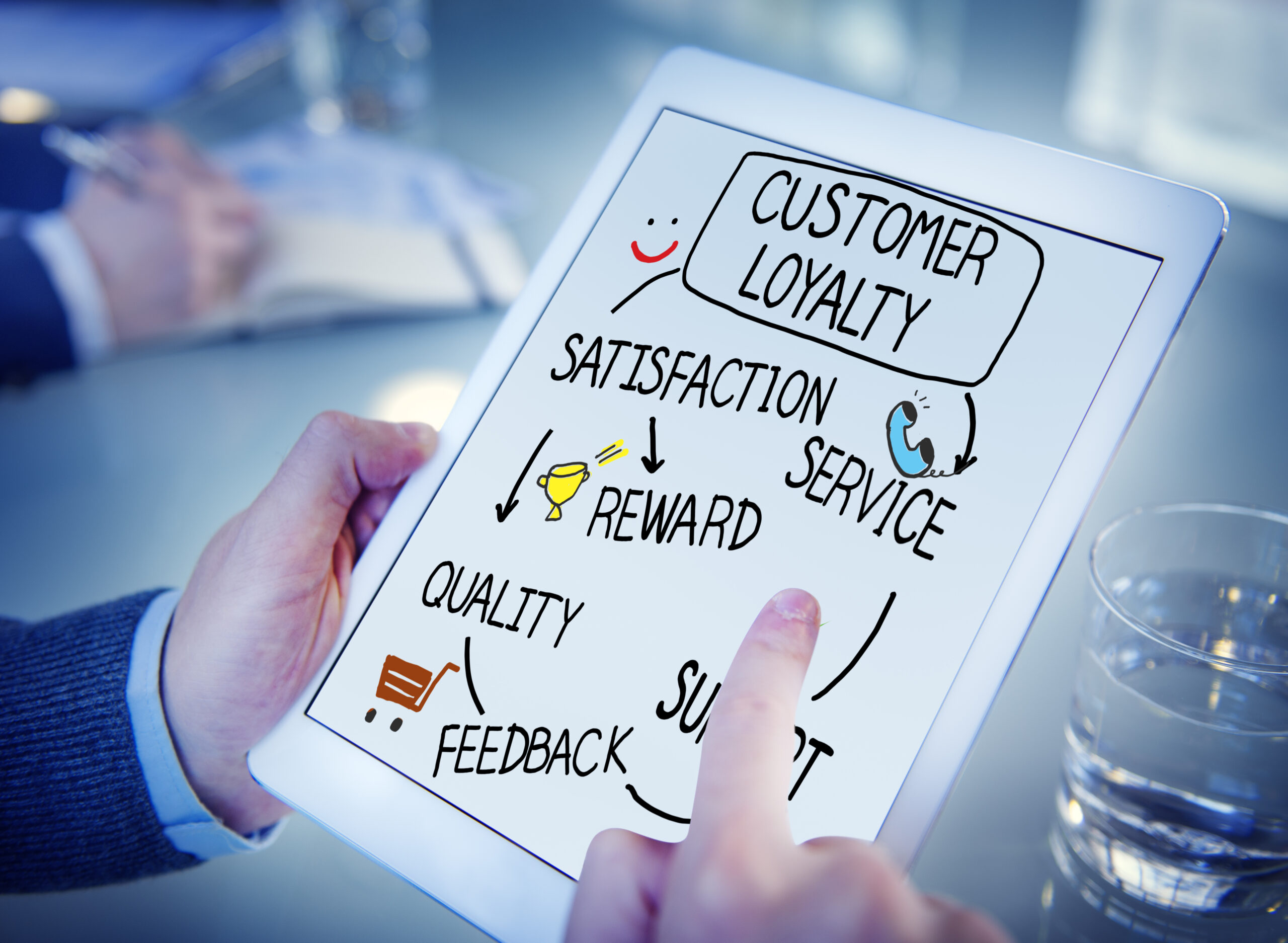
Building lasting customer relationships is one of the toughest challenges businesses face today. Shoppers have endless options, competitors are more aggressive than ever, and switching brands has become almost effortless.
In this crowded marketplace, customer loyalty programs provide a solution. They go beyond discounts and points to create genuine value, motivating people to stick around and deepening the relationship between customers and brands.
Customer loyalty programs are more than reward systems—they are a framework for long-term success. When designed thoughtfully, they keep customers engaged, increase repeat business, and build trust. Companies that embrace loyalty strategies can create powerful connections that stand the test of time while fueling consistent growth.
The Role of Customer Loyalty Programs in Modern Business
Loyalty programs have moved far beyond simple punch cards or occasional discounts. Today, they are integrated into the overall customer experience, bridging one-time transactions and long-term engagement. They help businesses communicate value consistently, making customers feel appreciated and seen whenever they interact with a brand.
Modern programs’ ability to reflect a brand’s identity while rewarding commitment in meaningful ways makes modern programs compelling. Instead of being an afterthought, they act as a differentiator in crowded markets. By delivering recognition and value, these programs improve retention and give businesses a distinct edge in winning customer trust.
Here are seven ways customer loyalty programs deepen relationships and drive long‑term business results—each with actionable tactics you can apply right away:
1. Encourage Repeat Purchases
A clear earn‑and‑redeem structure gives customers a reason to return and reduces decision fatigue at the point of choice. When members see tangible progress toward a meaningful reward, they’re more likely to choose your brand repeatedly, turning occasional buyers into habitual patrons. This sense of progress keeps loyalty fresh and motivating over time.
- Real‑time points, meters, and post‑purchase summaries make momentum feel tangible and satisfying.
- Thresholds such as “Silver at 500 points” nudge ongoing participation without pressure, adding a sense of achievement.
- Contextual reminders suggest the quickest path to the next reward and guide customers toward meaningful action.
2. Enhance Customer Retention
Keeping a customer is almost always more efficient than winning a new one. Loyalty programs reduce churn by pairing everyday value with psychological switching costs—members hesitate to abandon accumulated status, perks, and familiarity for an unknown alternative. This steady reassurance makes people think twice before switching brands.
- Time‑bound incentives re‑engage lapsed members before they fade out completely and help them rediscover value.
- Grace periods protect earned tiers during slower seasons or life events so customers feel secure in their progress.
- Members skip queues or receive dedicated service for faster resolutions that make loyalty rewarding.
3. Deepen Emotional Connection
Transactions alone rarely create attachment. Thoughtful recognition—birthday rewards, anniversary surprises, and personalized “just because” gestures—signals that you see the person behind the purchase. That sense of being known fosters affinity that endures beyond discounts. Adding these emotional layers helps transform buyers into long‑term advocates.
- Celebrate first purchases, anniversaries, or spend milestones with tailored surprises that feel personal.
- Offer member‑only events, early drops, or forums that foster belonging and a sense of exclusivity.
- Let members donate points to social or environmental initiatives they care about to create more profound meaning.
4. Boost Customer Lifetime Value
CLV rises when frequency, average order value, and retention trend upward. Loyalty levers can influence all three—bonus multipliers for larger baskets, accelerators for category expansion, and recognition that invites customers to engage more often over time. Over months and years, these steady boosts make a measurable impact on revenue.
- Bonus points for higher spending thresholds encourage thoughtful upsizing and not overspending while rewarding initiative.
- Recommend adjacent categories based on purchase history and browsing behavior to expand engagement.
- Extra earn rates bring back members after periods of inactivity and reignite purchasing habits.
5. Provide Valuable Customer Insights
Programs generate rich first‑party data—from preferences to response patterns—that improve decisions across marketing, merchandising, and service. With ethical data practices and explicit consent, brands can refine experiences without feeling intrusive. These insights turn raw information into actionable improvements.
- Use recency, frequency, and monetary scores to prioritize efforts and offers for different segments.
- A/B test reward types and messaging by cohort to find lift with confidence and optimize performance.
- In‑program surveys and reviews surface product gaps and service friction that can be addressed.
6. Support Customer Loyalty Campaigns
A program is a powerful stage for customer loyalty campaigns that keep momentum high. Limited‑time events, gamified challenges, and tier‑progress accelerators give members fresh reasons to engage while showcasing new products or seasonal themes. These campaigns keep loyalty programs from fading into the background.
- Holiday or event‑based challenges create urgency and fun without discounting and highlight seasonal relevance.
- Short‑term multipliers help members reach the next level faster and feel rewarded for commitment.
- Shareable rewards turn satisfied members into efficient advocates who naturally spread the word.
7. Amplify Direct Marketing Efforts
Owned channels become sharper when fueled by loyalty data. With explicit preferences and consent, direct marketing can deliver timely, relevant outreach across email and SMS at the point of sale, keeping benefits top‑of‑mind without overwhelming the inbox. Programs that integrate well with marketing maximize every touchpoint.
- Send messages based on actions—browse abandon, new tier, or expiring points—to keep timing relevant.
- Let members choose cadence and topics to reduce fatigue and unsubscribes while respecting choice.
- POS recognition and member IDs enable seamless offers during checkout and reinforce in‑store loyalty.
Why Strong Customer Relationships Matter
A business that thrives prioritizes strong customer relationships. People want to feel valued, not just sold to, and when they feel connected to a brand, they become more than just buyers—they become advocates. Strong relationships lead to:
- Higher Lifetime Value: Customers continue purchasing over time, contributing more revenue throughout their journey. This steady stream of business strengthens financial stability and growth.
- Stronger Advocacy: Satisfied customers share positive experiences and refer friends, acting as brand ambassadors. Their recommendations carry more weight than traditional advertising.
- Increased Trust: Customers are less likely to consider competitors when a brand consistently delivers on promises. Trust becomes the foundation for ongoing and reliable relationships.
- Greater Emotional Loyalty: Feeling recognized and appreciated encourages customers to maintain long-term connections. Emotional ties create a sense of belonging that is difficult for rivals to replicate.
- Improved Resilience: Businesses with loyal customers can more effectively withstand market changes and competitive pressures. Loyalty cushions brands against uncertainty and creates room for innovation.
Elements of Successful Customer Loyalty Programs
Designing an effective loyalty program requires more than handing out rewards. It requires a strong structure that aligns with customer expectations. To be effective, a loyalty program must combine structure with meaningful value.
Below are several key elements that set exceptional programs apart:
- Personalization: Customers appreciate offers and rewards that reflect their needs and preferences. Tailored experiences make them feel seen and valued.
- Transparency: Clear rules and straightforward rewards create trust and reduce frustration. Simplicity ensures customers know exactly how to benefit.
- Exclusive Benefits: Giving members access to experiences or rewards unavailable elsewhere makes them feel valued. This exclusivity adds prestige to participation.
- Consistent Communication: Regular updates and engagement keep the program active in the customer’s mind. Ongoing touchpoints maintain momentum and interest.
- Seamless Technology: Easy-to-use apps or platforms improve accessibility and convenience. Customers are more likely to participate when the process is smooth and intuitive.
- Flexibility: Offering a range of reward options appeals to different customer preferences. Flexibility ensures no one feels left out of the value exchange.
- Alignment with Brand Values: Programs that reflect a brand’s mission or social responsibility resonate more deeply. Customers connect with rewards that mirror their own values.
Turn Every Customer Into a Lifelong Advocate
Customer loyalty programs are strategies that build genuine relationships and ensure long-term success. By encouraging repeat engagement, strengthening emotional connections, and driving measurable results, these programs create a foundation for growth that businesses can rely on for years.
Stronger customer connections begin with loyalty programs prioritizing value, personalization, and engagement. Businesses that invest in these strategies position themselves to thrive in competitive markets.
With deep expertise in direct marketing and customer engagement, Conatus Marketing helps businesses create loyalty programs that inspire trust and deliver results. We design strategies that combine creativity, data, and direct marketing expertise to deliver measurable impact.
Start building relationships that last—connect with our team now!